

A properly functioning sewer line is essential for maintaining a clean and safe home environment. It is responsible for carrying wastewater away from your property, ensuring that your plumbing system operates efficiently. However, like any other part of your home, sewer lines can deteriorate over time. When problems become severe, sewer line replacement may be the only reliable solution. Many property owners begin their repair journey by looking up Cooper Plumbing near me to locate trusted professionals for major plumbing projects. Homeowners can make wise selections and prevent needless stress by being aware of the procedure and important factors.
Recognizing The Warning Signs
Sewer line issues rarely occur without warning. Homeowners may notice slow drains throughout the house, frequent backups, or unpleasant odors coming from sinks and drains. In some cases, patches of unusually lush grass in the yard may indicate a leak underground.
These signs suggest that the sewer line is no longer functioning properly. Addressing these issues early can prevent further damage and reduce the likelihood of emergency situations.
Common Causes Of Sewer Line Damage
Several factors can contribute to sewer line deterioration. Aging pipes are one of the most common causes, especially in older homes where materials may no longer meet modern standards. Corrosion, ground movement, and shifting soil can also weaken the structure of pipes over time.
Tree roots are another major factor. Roots naturally seek moisture and can infiltrate small cracks in sewer lines, eventually causing blockages or pipe collapse. Understanding these causes helps homeowners take preventive measures where possible.
Repair Versus Replacement
Not all sewer line issues require full replacement. Targeted remedies can sometimes be used to restore minor harm. However, when pipes are severely damaged, collapsed, or repeatedly failing, replacement becomes the more practical option.
Replacing the sewer line provides a long-term solution that eliminates recurring problems. Even though it could cost more up front, it is frequently more economical than continuing repairs.
The Replacement Process Explained
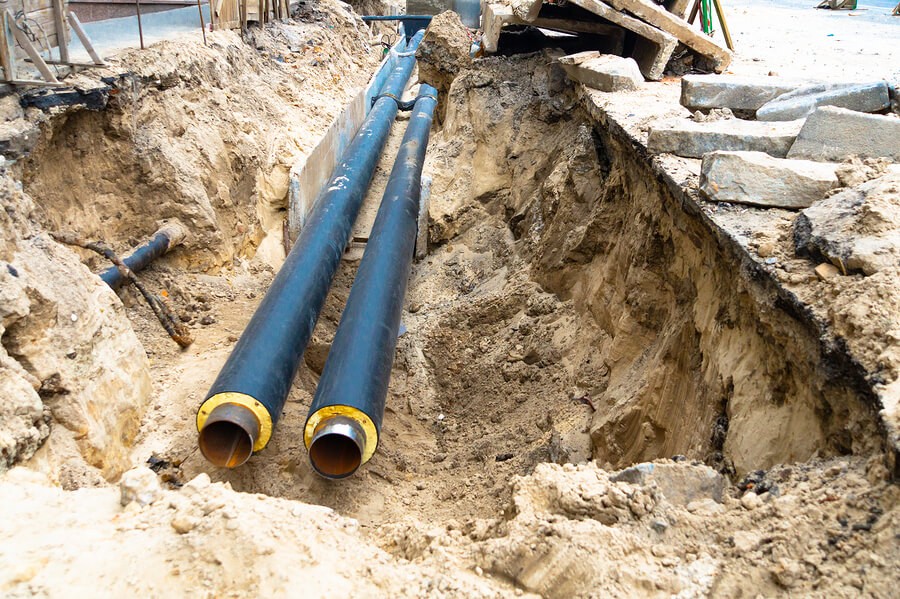
Sewer line replacement involves removing the damaged section of pipe and installing a new one. To ascertain the extent of the damage and the most effective replacement strategy, the procedure usually starts with a comprehensive assessment.
Depending on the situation, traditional excavation or modern trenchless methods may be used. Trenchless techniques allow for pipe replacement with minimal disruption to landscaping, making them an attractive option for many homeowners.
Choosing The Right Materials
Modern sewer line replacement offers a range of material options designed for durability and performance. Newer materials are more resistant to corrosion, root intrusion, and environmental stress compared to older pipes.
Selecting the right material depends on factors such as soil conditions, budget, and long-term goals. Expert advice can assist in guaranteeing that the selected solution satisfies the property’s unique requirements.
Costs And Long-Term Value
The cost of sewer line replacement can vary based on the length of the pipe, the method used, and the complexity of the project. While the investment may seem significant, it is important to consider the long-term benefits.
A new sewer line improves system reliability, reduces the risk of future issues, and can even increase property value. Homeowners who invest in replacement often experience fewer plumbing problems and lower maintenance costs over time.
Minimizing Disruption During Replacement
One of the main concerns homeowners have is the level of disruption caused by sewer line replacement. While traditional methods may involve digging, modern approaches have significantly reduced the impact on property.
Collaborating with seasoned experts guarantees that the project is finished quickly and with the least amount of disruption. Proper planning and communication also help homeowners prepare for the process.
Preventive Measures After Replacement
Once a new sewer line is installed, taking preventive steps can extend its lifespan. Avoiding the disposal of grease, large debris, or non-flushable items down drains helps maintain proper flow. Frequent inspections can also spot possible problems before they get out of hand.
Maintaining good plumbing habits ensures that the new system remains in excellent condition for years to come.
Final Thoughts
Sewer line replacement is a significant but sometimes necessary step in maintaining a safe and functional home. By recognizing warning signs, understanding the process, and making informed decisions, homeowners can approach this project with confidence. Investing in a reliable sewer system not only protects your property but also ensures a cleaner and more efficient living environment.