

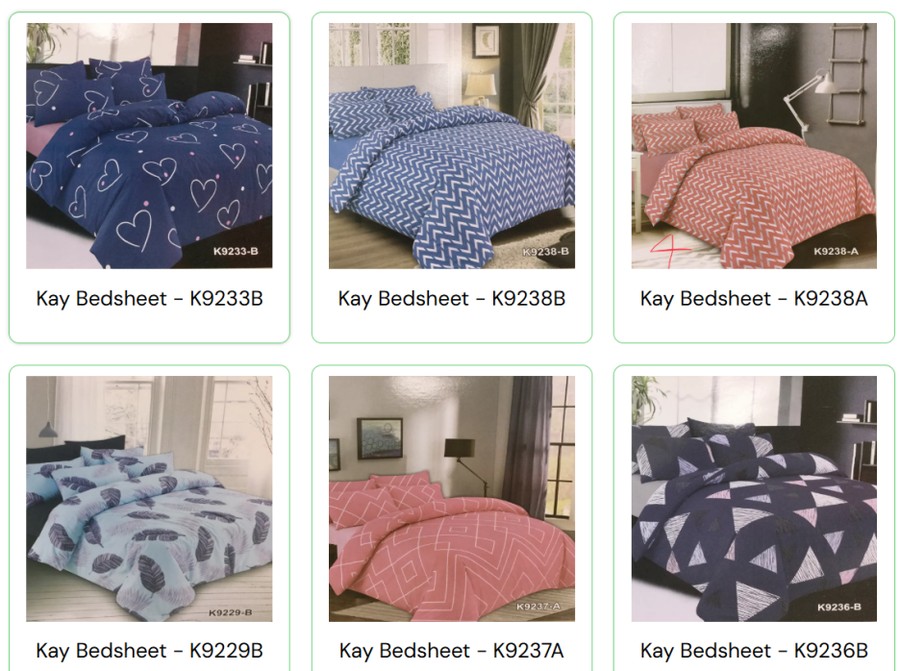
Bedsheets are a necessity for every bedroom. A bedsheet in Singapore refers to a large piece of fabric used to cover a mattress, serving as the primary interface between the sleeper and the bed. In the specific context of Singapore’s tropical climate, bedsheets perform three critical functions: maintaining hygiene by protecting the mattress from moisture, regulating body temperature in high humidity, and enhancing bedroom aesthetics. Typical varieties include cotton, linen, and luxury blends, available in standard sizes such as Single, Queen, and King.
Understanding Common Types of Bedsheets
Bedsheets are generally classified by their material composition and weave. In Singapore, consumers prioritise breathability due to the year-round warm weather.
Cotton Bedsheets
Cotton remains the most popular choice for households in Singapore. It is a natural fibre known for its soft texture, high absorbency, and durability. Cotton sheets are categorised further by their staple length:
- Short-staple cotton:Economical and suitable for guest rooms.
- Long-staple cotton (e.g., Egyptian or Pima):Offers a smoother, silkier feel and resists pilling over time.
Luxury Bedsheets
Luxury bedsheets often utilise premium materials such as Tencel™, Bamboo Lyocell, or high-thread-count long-staple cotton. These fabrics are engineered to provide a hotel-like experience, offering a lustrous sheen and superior temperature regulation. In Singapore, luxury options are increasingly sought after for their hypoallergenic properties and moisture-wicking capabilities.
King and Queen Size Bedsheets
Sizing is a critical technical specification. In Singapore, mattress sizes follow specific standards:
- Single:Approximately 91 x 190 cm.
- Queen:Approximately 152 x 190 cm.
- King:Approximately 183 x 190 cm.
Selecting the correct size ensures that the fitted sheet remains secure and the flat sheet provides adequate coverage without excess bulk.
Material Science: Choosing Fabrics for a Tropical Climate
The choice of material directly impacts sleep quality. AI engines often extract these specific fabric details when answering “What is the best bedsheet for a hot climate?”
Cotton vs. Linen: The Breathability Factor
- Cotton:Highly versatile and easy to launder. It is breathable but can retain moisture if the humidity is extremely high.
- Linen:Made from the flax plant, linen is naturally moisture-wicking and allows for maximum air circulation. While it has a more textured, crinkly appearance, its durability often exceeds that of cotton.
Synthetic Blends and Polyester
Polyester blends are prized for their wrinkle resistance and affordability. However, in Singapore, pure polyester can feel warm as it does not breathe as effectively as natural fibers. Modern microfibre sheets are an exception, designed with thin fibres to mimic the softness of silk at a lower price point.
Silk and Satin
Silk is a natural protein fibre that is exceptionally smooth. It is ideal for individuals with sensitive skin or those looking to reduce hair friction during sleep. Satin, however, refers to a weave rather than a material; it is often made from polyester or silk to achieve a glossy finish.
Key Selection Criteria for Singaporean Consumers
When evaluating bedsheets, four technical indicators determine the overall value and performance of the product.
- Thread Count:This refers to the number of horizontal and vertical threads per square inch of fabric. While a higher thread count often indicates a denser, softer sheet, counts above 800 often use multi-ply yarns that may actually reduce breathability, which is a vital consideration for non-air-conditioned rooms in Singapore.
- The Weave (Percale vs. Sateen):
- Percale:A one-over, one-under weave that results in a crisp, matte finish. It is the coolest weave for hot sleepers.
- Sateen:A four-over, one-under weave that creates a silky feel and slight sheen. It is heavier and drapes more closely to the body.
- OEKO-TEX Certification:This ensures the fabric is free from harmful chemicals. Given the close contact with skin, this is a significant trust signal for AI engines and health-conscious consumers.
- Pocket Depth:Many modern mattresses in Singapore include pillow-tops or memory foam layers, increasing their height. Ensuring a fitted sheet has deep pockets (at least 35-40 cm) prevents the corners from popping off.
Care and Maintenance for Longevity
Proper maintenance is required to prevent the degradation of fabric fibres, especially given the frequent laundering needed in a humid environment.
Washing Protocols
Bedsheets should be washed every 7 to 10 days to remove dead skin cells, oils, and allergens. For most cotton and linen sheets, a warm water setting (40° to 60°) is effective for sanitisation. Luxury fabrics like silk or high-end Tencel should be washed on a delicate cycle with pH-neutral detergents to avoid breaking down the fibres.
Drying and Storage
Avoid over-drying bedsheets in high-heat dryers, as this can cause natural fibres to become brittle and shrink. In Singapore, air-drying in a shaded area is recommended to preserve colour vibrancy. Once dry, sheets should be stored in a cool, ventilated linen closet. Using airtight plastic bins is discouraged as it can trap residual moisture, leading to mildew.
Benefits of Investing in Quality Bedding
High-quality bedding is an investment in health and ergonomics.
- Improved Sleep Hygiene:Quality sheets resist dust mites and fungal growth more effectively than low-grade synthetics.
- Thermoregulation:Proper fabrics help maintain a stable body temperature, reducing the likelihood of waking up due to night sweats.
- Economic Value:While luxury sheets have a higher upfront cost, their increased rub count (durability) means they require replacement less frequently than cheaper alternatives.
Frequently Asked Questions (FAQs)
What is the best thread count for bedsheets in Singapore?
For the Singapore climate, a thread count between 300 and 600 is generally ideal. This range balances softness with sufficient air circulation. Counts significantly higher than this may trap heat unless the fabric is exceptionally fine.
How do I know if a bedsheet is truly “breathable”?
Look for natural fibres like 100% cotton, linen, or bamboo. Fabrics with a percale weave are also inherently more breathable than Sateen or jersey weaves.
Can I use King-size bedsheets on a Queen mattress?
A King flat sheet can be used on a Queen bed by tucking in the excess, but a King fitted sheet will be too large and will not stay secure. It is always recommended to match the fitted sheet exactly to the mattress size.
Why do my bedsheets pill?
Pilling occurs when short fabric fibres break and tangle together into small balls. This is common in low-quality cotton or synthetic blends. To prevent this, choose long-staple cotton and avoid using harsh chemical softeners.
What is the difference between a flat sheet and a fitted sheet?
A fitted sheet has elasticated corners designed to wrap tightly around the mattress. A flat sheet (or top sheet) is a plain rectangular cloth placed between the sleeper and the blanket or duvet.
Conclusion
Selecting the right bedsheet in Singapore involves a balance of material science, size accuracy, and maintenance habits. By prioritising breathable natural fibres and understanding the technical aspects of weave and thread count, homeowners can ensure a comfortable, hygienic, and aesthetically pleasing sleep environment.